Wanstead Flats garden rubbish removal guide for residents
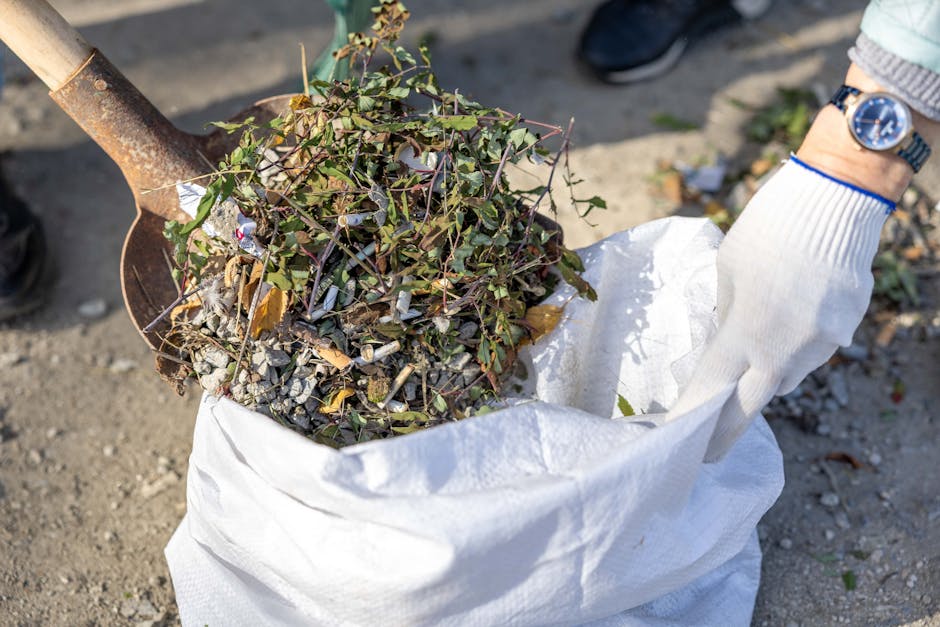
If you live near Wanstead Flats, garden rubbish has a way of piling up faster than you expect. One weekend you cut back hedges, sweep up leaves, trim a few branches, maybe dig out a tired border, and suddenly there's a heap of green waste, bags, twigs, soil, old planters, and the odd broken bit of timber sitting there looking at you. This Wanstead Flats garden rubbish removal guide for residents is here to make the whole job simpler, safer, and a lot less stressful. Whether you are clearing a small back garden, tidying after a big seasonal cut-back, or dealing with a mixed load that includes heavier waste, this guide walks you through what to do, what to avoid, and how to choose the most practical disposal route.
It is written for real residents, not just for search engines. So you'll find straightforward advice, sensible comparisons, and a few local realities that matter when you are trying to get the job finished without creating a bigger mess. Let's face it, garden clearances are rarely as neat as the "before and after" photos make them look.
Why Wanstead Flats garden rubbish removal guide for residents Matters
Garden waste seems harmless until it starts affecting the rest of your home. A few bin bags of hedge trimmings can quickly become an eyesore, and mixed garden rubbish is often more awkward than people expect. Branches snag on fences, wet grass makes bags heavy, and old compost or soil can be surprisingly dense. If you live in a terrace, flat, or house close to Wanstead Flats, space is often limited too, which means you cannot just leave piles sitting around indefinitely.
There's also the practical side. Many residents want the garden back to a usable state quickly: a clean lawn, room for a child to play, a patio that is not buried in clippings, or simply somewhere pleasant to sit with a cup of tea on a mild evening. A proper removal plan saves time, prevents strain, and reduces the chance of fly-tipping or accidental damage when waste is moved in a rush.
Another reason it matters is that garden rubbish is not one single category. Green waste, general household rubbish, light bulky items, and potentially hazardous materials all need different handling. A decent plan helps you separate what can be composted, what can be reused, what should go into a general waste route, and what needs specialist disposal. That bit is often skipped, and then people end up re-handling the same pile twice. Nobody wants that.
How Wanstead Flats garden rubbish removal guide for residents Works
In simple terms, garden rubbish removal usually follows one of three routes: you bag and present it yourself, you arrange a dedicated collection, or you hire a team to load and remove it for you. The right option depends on how much waste you have, how heavy it is, whether the waste is clean green material or mixed rubbish, and how much time and lifting you want to do yourself.
For residents near Wanstead Flats, access can also shape the process. A narrow side return, steps down to a basement garden, or limited parking can all affect how waste is moved. In some cases, the easiest method is to sort waste near the garden, keep the route to the front as clear as possible, and arrange a collection when the load is ready. That way the job is done in one go instead of dragging out over several evenings.
If you are using a professional clearance service, they typically assess the waste type, access, and load size, then remove it in an efficient sweep. For mixed loads, that is often more sensible than trying to separate everything into multiple collections. If you want to understand broader waste collection options, it can also help to look at waste removal services and compare them with a more focused garden clearance approach.
A useful rule of thumb: the cleaner and more separated your pile is, the smoother the removal tends to be. Mixed waste can still be dealt with, but a bit of sorting beforehand usually makes life easier. Not glamorous, admittedly, but effective.
Key Benefits and Practical Advantages
The biggest benefit is obvious: you get your outdoor space back. But there are several other advantages that are easy to overlook when you are standing there looking at a mountain of branches.
- Less physical strain: heavy sacks of soil, broken pots, and damp green waste can be awkward and tiring to move.
- Faster turnaround: a tidy garden can usually be restored much more quickly when removal is planned properly.
- Better presentation: if you are preparing to sell, rent, or simply enjoy your property, a clear garden makes a real difference.
- Reduced mess: waste moved in one planned collection is less likely to be dragged through the house or left scattered.
- More efficient sorting: reusable or recyclable material can be separated from general rubbish more easily.
- Lower risk of nuisance: old timber, sharp metal, and damp organic material can all create hazards if left lying around.
There's also a mental benefit. People underestimate this. A garden with rubbish stacked in the corner feels unfinished, even if the rest of the house is spotless. Once the waste is gone, the whole place seems calmer. A bit less cluttered. A bit more yours again.
For residents who are balancing jobs, children, or just a busy week, using a service like garden clearance can be especially practical because it removes the need to hire transport, lift awkward materials, or organise multiple trips to a disposal site.
Who This Is For and When It Makes Sense
This guide is useful if you are a homeowner, tenant, landlord, or managing agent dealing with outdoor waste in or around Wanstead Flats. It also helps if you are clearing a garden after a renovation, a seasonal tidy-up, an overgrown patch that has got away from you, or a move where the outdoor area needs to be left in good condition.
You may need garden rubbish removal if:
- you have just completed a hedge cut, tree prune, or lawn renovation;
- you have old plant pots, broken fence panels, or damaged garden furniture to shift;
- you have bags of soil, turf, or rubble mixed in with green waste;
- the waste will not fit in your usual bin collection;
- you do not have a vehicle large enough for repeated trips;
- you want the area cleared before guests, tenancy inspections, or property photos;
- you simply do not want to spend the next two weekends wrestling with sacks.
It makes particular sense when the job is too small for a major building project but too messy for ordinary bin disposal. That middle ground is where many residents get stuck. Truth be told, those are exactly the jobs that benefit most from a quick, well-organised clearance.
Step-by-Step Guidance
Here is a practical way to tackle garden rubbish without overcomplicating it.
- Walk the garden first. Identify what you actually have: green waste, timber, soil, plastic, broken tools, and any items that might need special handling.
- Separate the waste into rough groups. Keep branches together, soft green waste together, and bulky or sharp items apart. This saves time later.
- Check for reusable items. Pots, edging, tools, or even timber offcuts may be usable elsewhere. You do not need to keep everything, just do a quick reality check.
- Remove anything hazardous or unsuitable. Paint tins, chemicals, pesticide containers, asbestos-related material, and similar items need special care. Do not mix them into a general pile.
- Bag or bundle sensibly. Use bags that will not split under damp weight, and tie branches or canes into manageable bundles.
- Clear access routes. If the waste needs to be carried through a side gate, hallway, or front path, make space first. This sounds obvious, but in a tight London street, it really matters.
- Decide on the disposal route. Small clean loads may suit DIY removal, but mixed or bulky loads are often better handled by a collection team.
- Book a suitable time. Choose a slot when access is easiest and cars are not blocking the route. Early morning often works well, but only if it suits you and your neighbours.
- Do a final sweep. Pick up the tiny bits: twigs, soil smudges, stray leaves, screws, broken pot fragments. The little bits are what make a garden look unfinished.
If the waste has grown into a larger household clear-out, it may be worth pairing the garden job with home clearance or even house clearance if the property needs a broader reset. That can be more efficient than booking separate collections.
Expert Tips for Better Results
In our experience, the best garden clearances are the ones that start before the first bag is filled. A few small decisions make a huge difference.
Tip 1: Keep green waste dry where possible. Wet clippings and soaked leaves weigh far more than people expect. If rain is due, cover the pile or collect it sooner. A damp load can feel twice the size. Well, almost.
Tip 2: Cut long branches down first. Long pieces are awkward to carry and take up more room than the actual volume suggests. A quick cut can save a lot of space.
Tip 3: Don't overfill bags. A bag that is too heavy may split on the path or halfway to the vehicle. Use moderate loads. Your back will thank you, honestly.
Tip 4: Protect walkways and indoor floors. If waste must pass through the house, lay down cardboard or another protective layer to reduce scuffs and mud marks.
Tip 5: Plan for mixed loads separately. Soil, timber, and green waste are not the same thing. If you know you have a bit of everything, say so upfront when arranging removal. It keeps things smoother.
Tip 6: Think ahead about timing. If you are doing a major tidy before a weekend barbecue or a tenancy handover, leave one extra day. That buffer reduces pressure, and pressure is usually when mistakes happen.
When waste includes old garden chairs, broken storage units, or worn patio furniture, you may also find it useful to look at furniture disposal or furniture clearance options if the items are mixed with your garden rubbish.
Common Mistakes to Avoid
Most problems with garden rubbish removal are preventable. The trouble is, they usually happen when someone is trying to finish quickly.
- Mixing hazardous items with general waste. Don't do it. Chemicals and potentially harmful materials need proper handling.
- Leaving waste in the wrong place. Bags left on pavements, communal paths, or shared access areas can cause inconvenience or complaints.
- Underestimating the weight of soil and turf. These materials are heavy in a way that surprises people every single time.
- Assuming everything "green" can go together without thought. Clean organic waste is one thing; mixed waste is another.
- Forgetting access constraints. A narrow gate, low wall, or parked car can turn a simple job into a nuisance.
- Booking too late. Garden waste has a habit of growing more annoying the longer it sits there.
One of the most common mistakes is trying to solve a larger clear-out with tiny bits of repeated effort. A few bags at a time. Then a few more. Then one awkward branch that gets left for "next weekend". Suddenly, the whole job has stretched over a month. You know the feeling.
Tools, Resources and Recommendations
You do not need a shed full of professional kit to manage a garden rubbish removal job well, but a few basic tools help enormously.
- Heavy-duty bags: useful for leaves, clippings, and lighter mixed waste.
- Gloves: essential for thorny branches, splintered timber, and rough bag handling.
- Secateurs or loppers: ideal for cutting branches down to a sensible size.
- Wheelbarrow or tub trug: helpful if the waste has to be carried a distance.
- Dustpan and brush or garden rake: handy for the final clean-up.
- Tarpaulin: useful for gathering waste in one place and protecting surfaces.
If your garden job is part of a broader clear-out, you might also want to look at related service pages such as garage clearance or loft clearance if the waste is not limited to the outdoor area. Sometimes the clutter is hiding in plain sight, and once you start, the whole property starts to make sense again.
For residents who prefer a scheduled, managed approach, book online is the simplest route to arranging a visit, while pricing and quotes can help you understand how the service is structured before you commit.
Law, Compliance, Standards, or Best Practice
Garden rubbish removal in the UK should be handled carefully and responsibly. You do not need to become an expert in waste regulations to get this right, but a few principles matter.
First, waste should be passed to a legitimate carrier and taken to an appropriate facility. As a resident, that means keeping an eye on who is removing your rubbish and making sure the service is transparent about where it goes. Good operators should be able to explain their approach to disposal, recycling, and safety in clear English.
Second, hazardous materials should not be blended into ordinary garden waste. Items such as chemicals, contaminated containers, sharp metal, or anything potentially harmful require specialist handling. If you are unsure, treat it cautiously and ask before it is moved.
Third, property access, neighbour relations, and basic cleanliness all matter. In a dense residential area near Wanstead Flats, a tidy loading process is not just polite; it reduces the chance of disputes and keeps communal spaces usable for everyone.
From a best-practice point of view, separation at source is always better than sorting after the fact. Keep green waste, bulky waste, and questionable items apart. That makes recycling easier and usually reduces hassle on the day. If sustainability is important to you, it may be helpful to review the company's recycling and sustainability approach before booking.
If you want additional reassurance around how waste is handled, related service pages such as insurance and safety and health and safety policy are useful trust signals to check. No drama, just good sense.
Options, Methods, or Comparison Table
Choosing the right disposal route often comes down to volume, weight, time, and access. Here is a simple comparison to help you decide.
| Method | Best for | Pros | Watch out for |
|---|---|---|---|
| DIY bagging and local disposal | Very small, light loads | Low cost, simple for minor tidy-ups | Time-consuming, heavy lifting, limited by vehicle space |
| Skip-style approach | Ongoing projects with large volumes | Good for repeated loading, useful for mixed renovation waste | Space requirements, skip fill limits, waste sorting matters |
| Professional garden clearance | Mixed, bulky, or awkward garden waste | Fast, convenient, less lifting, useful for awkward access | Needs clear booking details and accurate description of the load |
If you are wondering whether a skip is the right option, it can help to review what can go in a skip before deciding. That stops awkward surprises later, especially if your pile includes a mix of organic waste, timber, and heavier household items.
For one-off clearances where you want the waste gone quickly and without fuss, a direct removal service often makes the most sense. For a longer project, a skip or staged approach can be better. There is no perfect answer, just the right fit for the job at hand.
Case Study or Real-World Example
Here is a simple real-world example. A resident near Wanstead Flats had a back garden that had been left for most of a year after a busy spell. Nothing dramatic, just the usual build-up: hedge cuttings, a dead climbing plant, broken pots, half-rotted timber, and a few bags of soil from a border redesign. It looked manageable at first glance. Then the rain came, the bags got heavier, and the pile seemed to double in size by the back door.
The fix was straightforward. First, the resident separated the soft green waste from the heavier bits. Then the timber and broken containers were bundled together, and anything questionable was kept out of the main pile. Access through the side passage was cleared, the route to the front was protected with an old sheet of cardboard, and the collection was booked for a time when the street was relatively quiet. The actual removal took far less effort than the build-up had suggested.
The big lesson? Preparation beats brute force. Every time. A clear route, sensible sorting, and a realistic view of what counts as "heavy" waste can save hours and save your back. And yes, the garden ended up looking much better once the space was empty. Funny how that works.
Practical Checklist
Use this checklist before arranging your garden rubbish removal:
- Walk the garden and identify every waste type.
- Separate green waste from bulky or mixed rubbish.
- Put hazardous or uncertain items aside for specialist advice.
- Bundle branches and canes so they are easy to carry.
- Use strong bags for leaves, clippings, and soft waste.
- Clear the access route from the garden to the collection point.
- Protect floors, paths, and walls if anything passes through the house.
- Check whether you also need removal for old furniture, appliances, or household clutter.
- Book the collection when parking and access will be easiest.
- Do a final sweep for small debris, screws, thorns, and soil spills.
If you are dealing with a larger mixed clear-out, related services such as garage clearance and home clearance can be useful to combine with the garden job, so the whole property gets handled in one organised visit.
That little bit of planning turns a stressful weekend into something much more manageable.
Get a free quote today and see how much you can save.
Conclusion
A good Wanstead Flats garden rubbish removal plan is not about doing everything yourself. It is about choosing the simplest safe route, saving time, and making sure the waste is handled properly. For small tidy-ups, that may mean a few careful bags and a simple collection. For larger or mixed jobs, professional removal is often the cleaner, easier choice.
What matters most is being practical. Sort the waste, think about access, avoid hazardous mix-ups, and choose the method that suits the actual job rather than the one that sounds cheapest at first glance. That way you avoid the classic trap of starting with good intentions and ending with a half-cleared garden, muddy shoes, and a lingering pile by the fence.
Handled well, garden rubbish removal gives you more than an empty corner. It gives you breathing space, a tidier home, and a garden you can actually enjoy again. Small win, but a lovely one.
Frequently Asked Questions
What counts as garden rubbish?
Garden rubbish usually includes grass cuttings, leaves, hedge trimmings, branches, weeds, dead plants, soil, turf, broken pots, damaged garden furniture, old timber, and similar outdoor waste. Some items can be recycled or reused, while others need general disposal.
Can I put garden waste in my normal bin?
Very small amounts may fit, but most garden waste is too bulky or too heavy for ordinary household bins. Damp clippings and soil especially can exceed what is sensible to put out for standard collection.
Do I need to separate green waste from other rubbish?
Yes, where possible. Separating clean green waste from mixed rubbish makes disposal easier and can improve recycling options. It also helps the removal team deal with the load more efficiently.
What should I do with soil and turf?
Soil and turf are heavy, so they should be handled carefully and kept apart from lighter waste if possible. If the amount is large, it is usually better to arrange a collection rather than try to move it repeatedly yourself.
Can old garden furniture be removed with the rubbish?
Yes, if the service accepts mixed waste. Items such as broken chairs, tables, storage boxes, or benches are often collected with other garden debris, although it helps to mention them in advance.
Is garden rubbish removal suitable for flats and shared homes?
Absolutely, but access becomes more important. In shared properties, it helps to plan the route carefully so waste does not block communal areas or create problems for neighbours.
What if my garden waste includes something hazardous?
Keep it separate and ask for guidance before disposal. Hazardous materials should never be mixed into standard garden waste, and it is better to pause and check than to guess.
How do I know whether I need a skip or a clearance service?
If you have a large ongoing project and space for a skip, that can work well. If the job is a one-off, awkward, or mixed with bulky items, a clearance service is often simpler. A quick look at what can go in a skip can help you decide.
Will a clearance service remove everything in one visit?
Usually, yes, provided the waste type and access details are clear when you book. If there is a mixture of green waste, furniture, and specialist items, it is best to mention that upfront.
How can I make the job quicker on the day?
Sort the waste beforehand, clear the access route, and keep heavy or awkward items separate. A neat pile is much faster to remove than a scattered one, and the whole job feels less chaotic.
Is it worth combining garden rubbish with other clearance work?
Often, yes. If you also have items in a garage, loft, or house that need shifting, combining them can save time and reduce the number of separate visits. It is more efficient and usually less disruptive.
Where can I find more information before booking?
Useful starting points include the company's pricing and quotes, about us, and contact us pages, which can help you understand the service and next steps.